Skip to content


Table of Contents
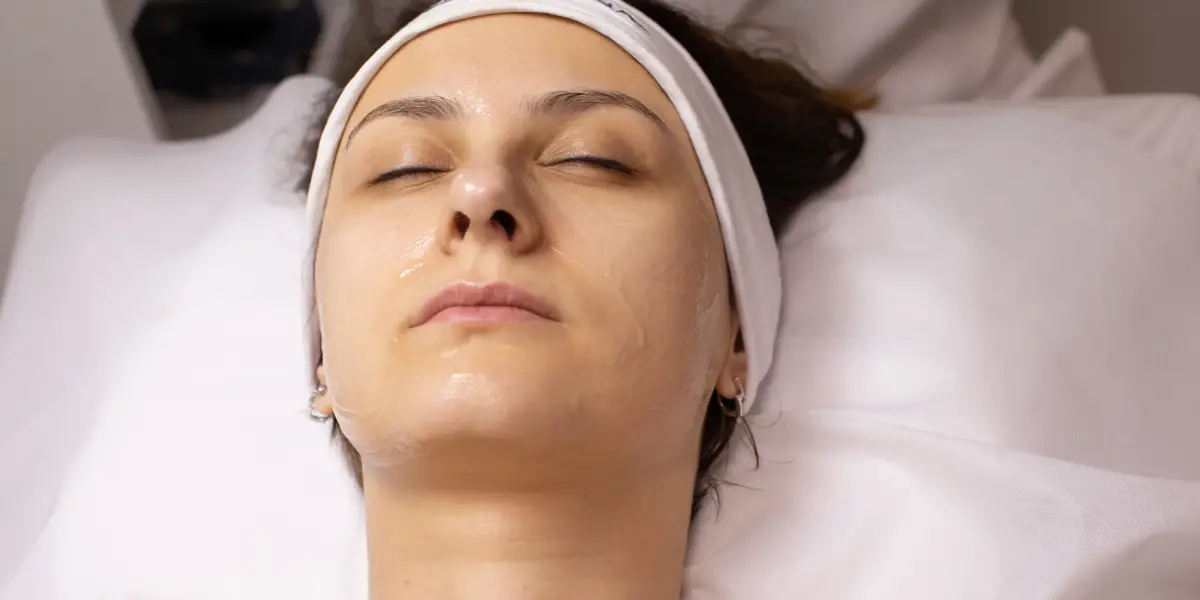
If you have ever stood in front of the mirror wondering why your skin looks dull no matter how carefully you cleanse, moisturize, and layer serums, you are not imagining things. Surface buildup, sun damage, and leftover marks from breakouts all sit in the same few layers of skin, and skincare alone can only go so far. At Create Medical Aesthetics, chemical peels in Knoxville, TN work at that level, so one treatment can soften several concerns at once.
Why does a professional chemical peel work better than at-home acids?
Concentration and pH determine whether an acid skims the surface or reaches the layers that change tone & texture. The FDA has never approved any chemical peel and warns against using strong ones without supervision, since misuse can cause burns & lasting color changes. Technique and timing are provider decisions. Home products still matter, but they’re maintenance between visits, not a replacement.
What a Chemical Peel Actually Does to Your Skin
A professional chemical peel uses a blend of medical-grade acids to loosen the bonds holding dull, damaged cells to the surface. As a result, they shed on a predictable schedule instead of lingering for weeks. That shedding is visible, but it is not the important part.
The real work happens underneath. Once the compacted top layer is released, your skin speeds up its natural renewal cycle and sends fresh cells to the surface sooner than it would on its own. This chemical peel treatment is the foundation of skin resurfacing.
Depth matters more than any brand name. A superficial peel works within the outermost layer, while a medium-depth peel reaches further into the epidermis & upper dermis, where pigment and collagen live. That is why formulas are not interchangeable and why your provider selects one based on your skin rather than on what is popular.
Why Tone, Texture, and Clarity Are Three Different Problems
These three words get used together so often that they start to blur, but each one describes something different happening in your skin.
- Uneven skin tone is a pigment issue. Sun spots, the brown marks left after a breakout, melasma, and general patchiness all come from unevenly settled melanin.
- Texture is a surface and structural issue. Roughness, pores that look larger than they are, crepey areas, and raised or depressed scarring all change how light moves across your face.
- Clarity is a congestion and dullness issue. Trapped oil, dead-cell buildup, and blocked pores create that flat, tired look that no highlighter can fix.
One skin rejuvenation treatment touches all three because controlled exfoliation and faster turnover affect pigment, surface, and pore contents at the same time.
How Peels Even Out Skin Tone
Much of the pigment you are frustrated by sits in the upper layers of the skin, so lifting those layers physically removes some of what you see as a dark spot. That is the first half of hyperpigmentation treatment with a peel.
The second half lasts longer. Certain peel ingredients also interrupt the pathway that produces excess melanin, which is why pigment often keeps improving after the peeling phase is over rather than returning right away.
It is worth being honest about variation here. Sun damage and post-acne marks tend to respond more predictably, while melasma is hormonally driven and tends to come back, so it is managed over time rather than cleared in one session. Results vary from person to person, & your provider assesses your Fitzpatrick skin type before choosing a depth and formula, because the right choice differs across skin tones.
How Peels Smooth Skin Texture
Removing that compacted layer of dead cells leaves a surface that reflects light evenly, which is what most people mean when they say their skin looks smoother. This is the quickest form of skin texture improvement a peel delivers.
Bigger changes take longer. A medium-depth peel triggers a controlled healing response that supports collagen and elastin production over the following weeks, gradually softening etched lines and shallow indentations. Fine line reduction and acne scar treatment both work on this timeline, not an overnight one.
You will likely notice it in small daily ways first. Makeup stops catching in rough patches. Moisturizer absorbs instead of sitting on top. Because texture change is cumulative, a planned series builds on itself in a way a single appointment cannot.
How Peels Improve Clarity and Congestion
Clearing the pore lining reduces the buildup that turns into blackheads and congestion, which is why peels often fit into a plan for acne-prone skin. Salicylic acid and related ingredients are oil-soluble, meaning they work inside the pore rather than only across the surface.
If you break out slightly in the first week, that is usually purging rather than a new problem. Congestion already forming below the surface simply reaches the top faster. It settles, and your provider can tell you what to expect.
Clarity isn’t just a face concern. At Create Medical Aesthetics, our providers also treat the neck, chest, back, and shoulders, where body breakouts and sun-related dark spots are common and often overlooked.
What to Expect as the Results Develop
Peeling typically begins around day three and continues for several days as the treated layer sheds. It is lighter than most people picture, and letting it flake away on its own protects the new skin underneath.
Most patients see the clearest difference about a week out, though individual timelines vary with skin type and peel depth. Daily sunscreen is not optional afterward, since newly exposed skin is more vulnerable to UV, and unprotected sun exposure can undo pigment progress you worked for. Results also build with a planned series rather than arriving all at once.
Ready When You Are
Your skin does not have to stay something you work around. If you are considering Chemical Peels in Knoxville, TN, the team at Create Medical Aesthetics will look closely at your skin and recommend whether a VI Peel in Knoxville, TN, or another option fits your goals. Book Your Chemical Peel Consultation Today.